DIALOOG : MARI ROOSVALTi ja JAAN ELKENi MAALID Uue Kunsti Muuseumis
Rüütli tänav 40a, Pärnu, 80010 Pärnu maakond, Eesti
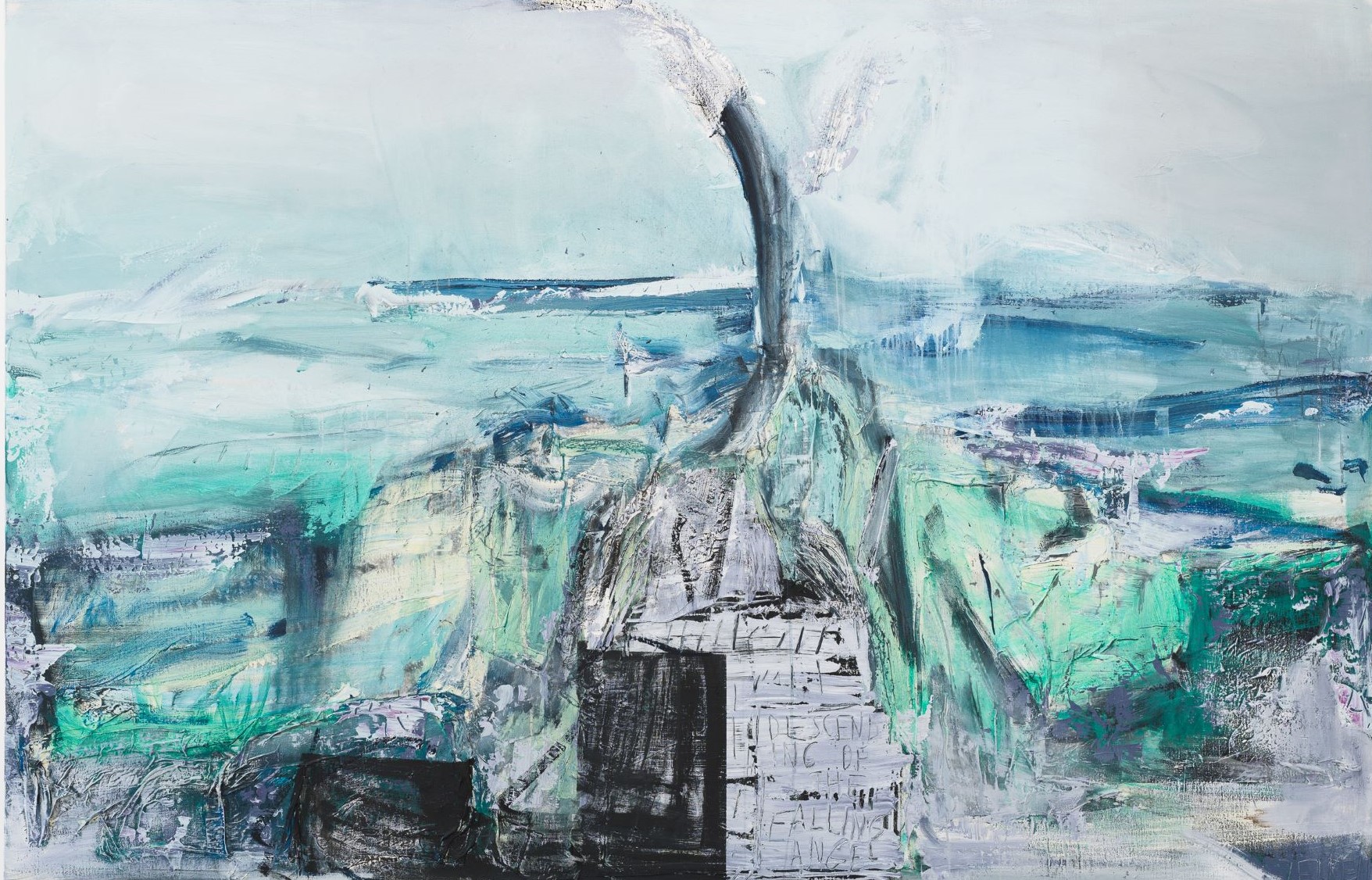
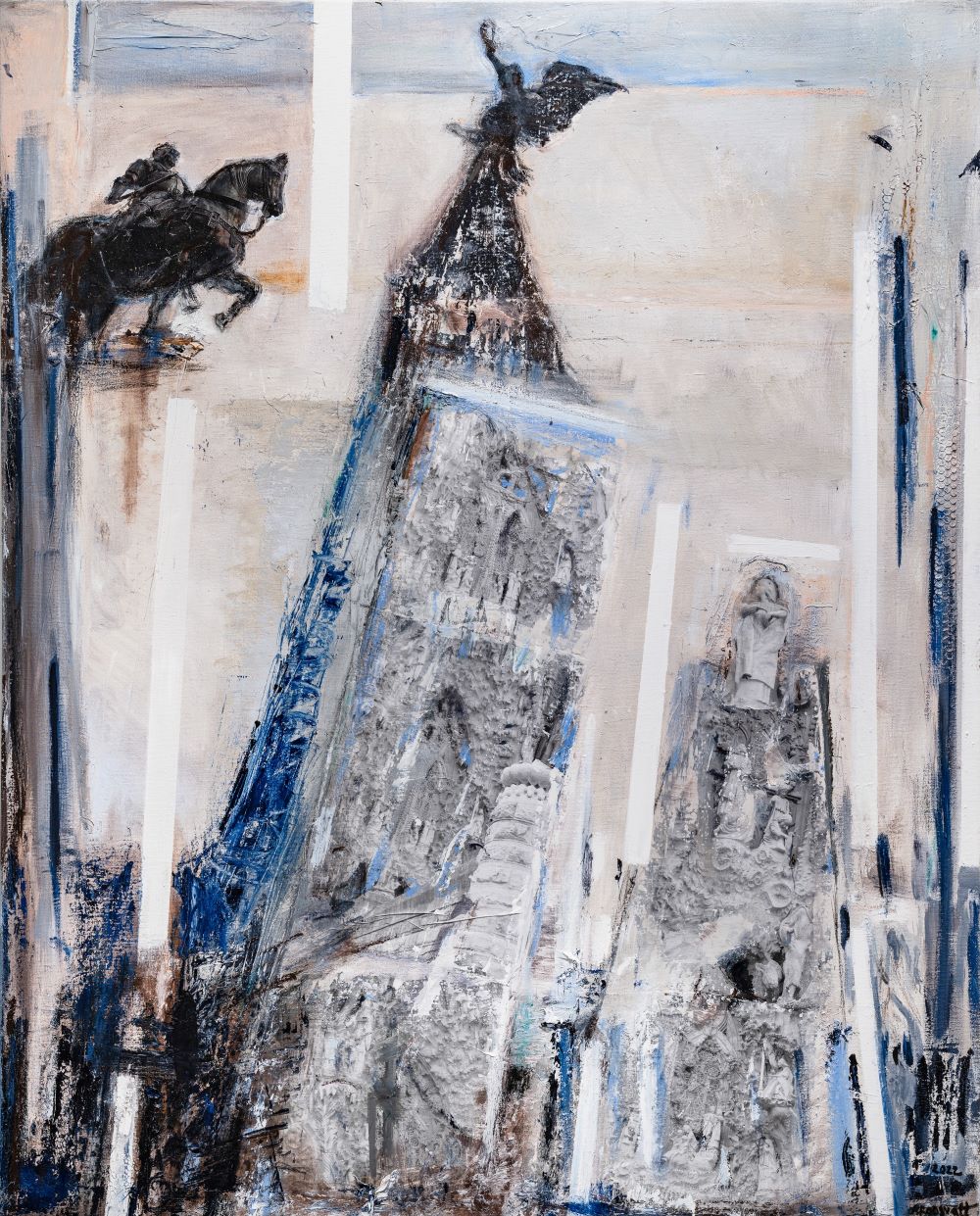
“Dialogue” is a selection exhibition devoted to the artistic careers of Mari Roosvalt (b. 1945) and Jaan Elken (b. 1954); most of the works date from the last 25 years, with a couple of exceptions from the 1990s. The working title of the exhibition was MAP AND TERRITORY: point of (no) return, but during the process it was replaced by the more compact DIALOGUE; the content remained the same. The working title’s crudely borrowed, ‘geopolitical’ framework helped map the material being presented—the artists’ collections still make it possible to create very different displays. Both artists have been highly active creatively, in other words, they have appeared frequently in exhibitions; this is one reason their styles/painting manners are still works in progress. “Total transformation” would emerge more distinctly if the period under consideration were stretched to its maximum, but even fitting a quarter-century fragmentarily into the rooms on the second floor of UKM means leaving out entire chapters. In all the paintings from the period by Jaan Elken, who debuted as a hyperrealist at the 1978 spring exhibition of the Tallinn Art Hall (“At the Corner of Koidula and Leineri Streets” (1977/1978), “Untitled” (1978), etc.), there were abundant bold palette-knife and brush strokes in thick paint, writing with paint squeezed straight from the tube, paper stencils and photo posters glued onto the canvas, and other expressionist techniques. Mari Roosvalt began exhibiting somewhat earlier, also in the 1970s. Roosvalt’s first solo exhibition at the Tallinn Art Salon was in 1979 (Elken’s was there in 1980). In the new-objective still lifes and figurative arrangements, the staffage of geometric art and familiarity with abstract art have, in retrospect, become telling (“Old Objects,” 1981; “Red Chairs,” 1981). Abstract art, or absolute art (as abstract expressionism has also been called), gained new life in the Estonian painting scene from the late 1980s; to the same extent, it adapted and/or mutated into something far more audacious under the unwritten rules of the art scene. Mari Roosvalt’s way of retreating was to integrate newspaper clippings into fresh paint surfaces, which she replaced a few years later with digital prints based on photographs of her surroundings. This opened up endless possibilities for the artist to continue working with color, although in essence she had long since stepped out from under the canopy of abstract painting. In some ways, both artists operated in the field of abstract art as postmodern diversants: Jaan Elken integrated foreign textiles from arte povera, Soviet-era state flags and ready-made slogans into the field of painting, or filled square metres with writing ranging from calligraphic mishaps to commands rendered in perfect stencil lettering. Jaan Elken’s works in collections: Jane Voorhees Zimmerli Art Museum (Rutgers, The State University of New Jersey. The Norton and Nancy Dodge Collection of Nonconformist Art from the Soviet Union), United States; CAM_Casoria Contemporary Art Museum, Naples, Italy; Tretyakov Gallery, Moscow, Russia; Matthew Bown Gallery, London, United Kingdom; European Parliament, Brussels, Belgium; Art Museum of Estonia; Tartu Art Museum; Ministry of Culture of the Republic of Estonia; Estonian Artists’ Association collection (formerly the Art Fund collection); Viinistu Art Museum; Museum of New Art in Pärnu, among other collections and private collections around the world. Works by Mari Roosvalt in collections: Art Museum of Estonia; Tartu Art Museum; Estonian Artists’ Association collection (formerly the Art Fund collection); Tallinn City Art Collection; Ministry of Culture of the Russian Federation; Guadalajara Art Museum, Mexico; private collections in Estonia, Finland, Sweden, Australia, and the United States. Exhibition open: 12 September – 18 October 2026 at the Museum of New Art, Pärnu The exhibition is supported by: the Cultural Endowment of Estonia and the City of Pärnu
Translated by machine ·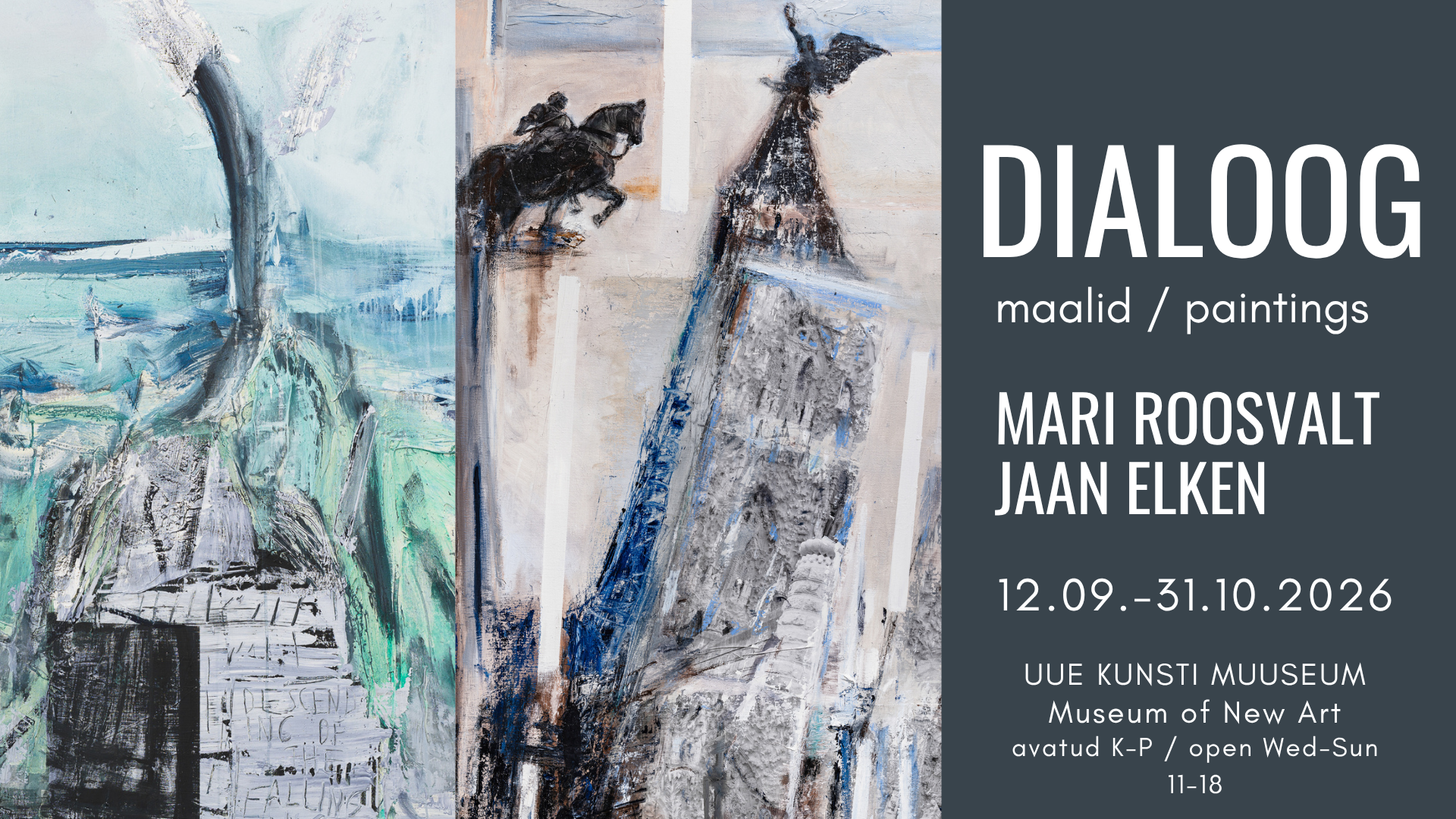
Loading map…
Source: City of Pärnu culture calendar (kultuur.parnu.ee)
All source references (1)
Source: City of Pärnu culture calendar (kultuur.parnu.ee)
Visitor reviews
Sign in to mark “I was here” on your private traveller map.
No public reviews yet.